Business Name:
TREE TRIMMING SAN ANTONIO
Address:
4511 Horizon Hill Blvd, San Antonio, TX 78229
Phone:
(726) 227-4061
A freshly cut tree can leave behind more than an eyesore: a stump can block a gate, damage mower blades, and send roots toward a sidewalk or irrigation line. Tree Trimming San Antonio often hears from homeowners after storm breakage, cracked bark, or fungus at the base reveals a tree was failing before it came down. If the stump is stable and away from traffic, removal can usually be scheduled. If exposed roots, a leaning trunk, or broken limbs remain nearby, act sooner.
A stump should not be ignored if it sits beside a driveway, play area, fence post, or foundation where roots may keep shifting soil. Fungus growing around the base can indicate decaying wood below ground, while fresh shoots may show the root system is still active. Dead limbs overhead and root damage near utilities are separate hazards that need inspection before grinding begins. A low, weathered stump in an unused back corner can generally wait for planned yard work.
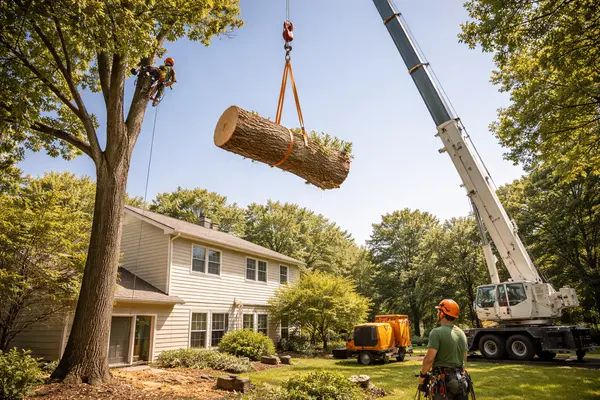
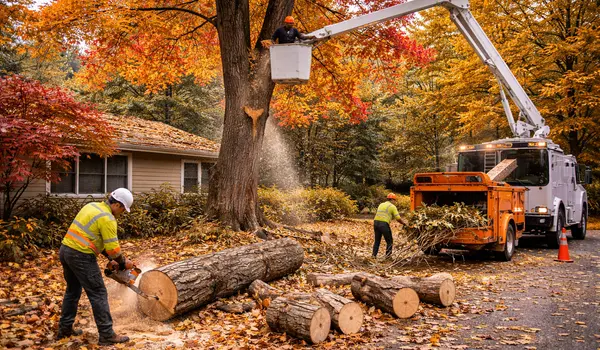
The visit starts with a look at the stump, visible roots, nearby concrete, and access through gates or side yards. If a standing tree must be removed first, climbers use climbing gear, chainsaws, and rigging lines to lower sections without dropping them onto a roof or fence. Larger trunks may require a crane. Sectional felling, canopy thinning, and Emergency Tree Removal are planned around overhead lines, structures, and the landing area for each piece.
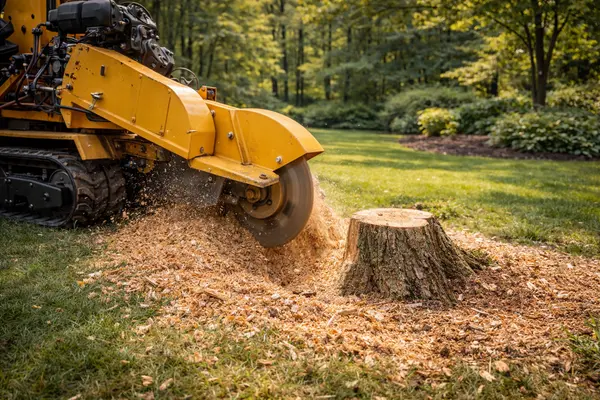
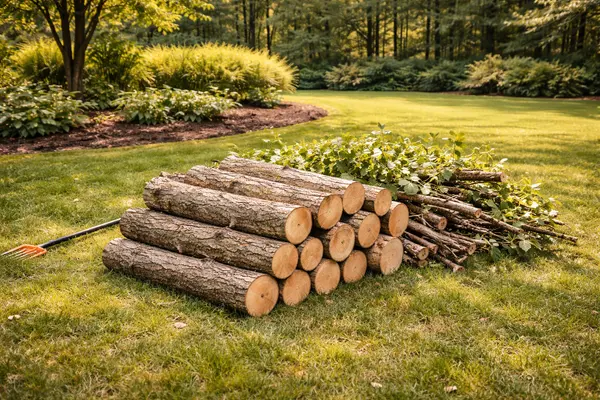
After the trunk is down, crews chip branches through a chipper and move logs or cut them into manageable sections. The stump grinder then uses a rotating cutter wheel to reduce the stump and major surface roots into wood chips, commonly several inches below grade. Grinding depth depends on the future use of the space: grass needs less clearance than a patio base. The resulting mulch can be hauled away or left for beds, depending on the site plan.
A 10-inch stump beside open lawn is very different from a wide oak stump wedged between a slab, sprinkler heads, and a wooden fence. Access matters because a stump grinder has weight and width; a narrow 36-inch gate may require a smaller machine or extra hand work. Old attempts with a chainsaw, chemicals, or buried gravel can also slow the cut. Metal, concrete, and abandoned landscape edging can damage grinder teeth. Learn more about our expert Dead Tree Removal services.
A close inspection may uncover hollow wood, root decay, irrigation pipe, or roots extending under a driveway. Those findings affect the decision to grind shallow, remove more roots, or stop short of a foundation where aggressive cutting could disturb soil. dead tree removal can add time if unstable limbs or a split trunk must be made safe before equipment enters the yard. Straightforward stumps may be completed in one visit; difficult access or extensive root work can take longer.

Stump diameter, root spread, wood hardness, and machine access drive the cost more than the stump’s height alone. A broad live oak root flare can require two to three times the grinding time of a small ornamental stump, while rocky soil wears cutter teeth faster. Hauling chips, protecting pavers, removing surface roots, and bringing in a compact grinder through a narrow gate can add labor. Multiple stumps in one open yard often lower the per-stump cost because setup is shared.
A written estimate should separate stump grinding depth, diameter range, root grinding, debris chipping, chip removal, access preparation, and any tree removal needed before the grinder arrives. Compare the planned depth as well: roughly 4 to 6 inches may suit new sod, while 8 to 12 inches can be needed beneath a path or planting area. Ask what happens if buried steel, concrete, or irrigation components appear, since those discoveries can change the work after cutting starts.
TREE TRIMMING SAN ANTONIO
4511 Horizon Hill Blvd, San Antonio, TX 78229
(726) 227-4061
Hours of Operation
Open 24 Hours