Business Name:
TREE TRIMMING SAN ANTONIO
Address:
4511 Horizon Hill Blvd, San Antonio, TX 78229
Phone:
(726) 227-4061
Many homeowners assume emergency tree removal means a tree must already be on the roof or blocking the driveway. That is a sensible instinct, but it can turn a manageable hazard into a larger repair. Tree Trimming San Antonio often sees dead limbs hanging over shingles, leaning trunks after saturated soil, or storm breakage caught in a canopy. Those conditions can shift with one more gust, not only with a dramatic collapse. Learn more about our tree trimming in San Antonio.
The real concern is not simply whether the tree is still standing. Root damage can loosen a trunk below ground, fungus at the base can weaken structural wood, and cracked bark may expose a split that widens under load. A tree can look stable from the sidewalk while its root plate or main union is failing. Emergency removal is about controlling that risk before limbs, fences, vehicles, or utility lines are struck.
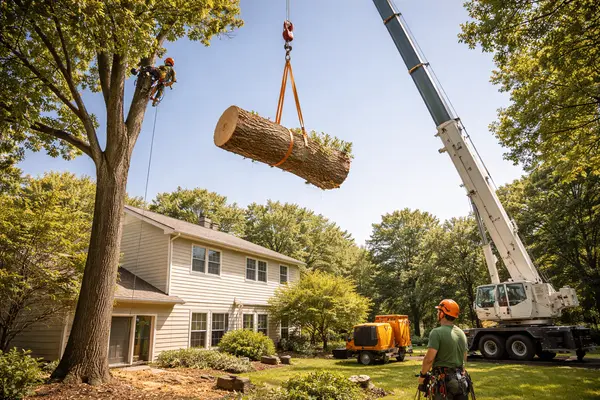
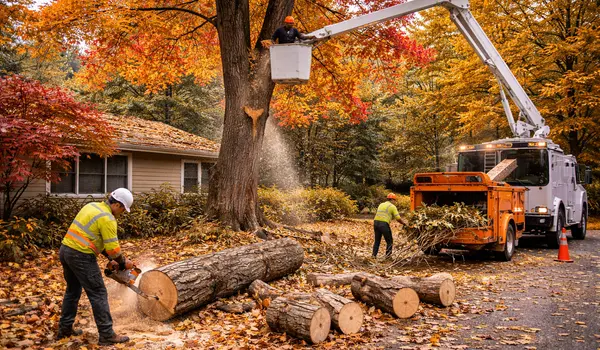
Most emergency removals take several hours to a full day, while a large oak near a roof, power line, or narrow gate may require one to two days. Dead Tree Removal can move quickly if the trunk has clear space around it, but crews must slow down when branches are suspended above a garage, fence, or air-conditioning unit. Wind, rain, traffic access, and utility hazards can also delay the schedule.
Some parts of the job may look quiet from inside the house, but important work is happening. The crew may be setting rigging ropes, checking limb weight, placing ground mats, or deciding where each section can land without damaging concrete. Cutting a trunk into controlled pieces takes longer than dropping it into an open field. Afterward, sawdust, wood rounds, and smaller brush still need to be loaded or staged for removal.
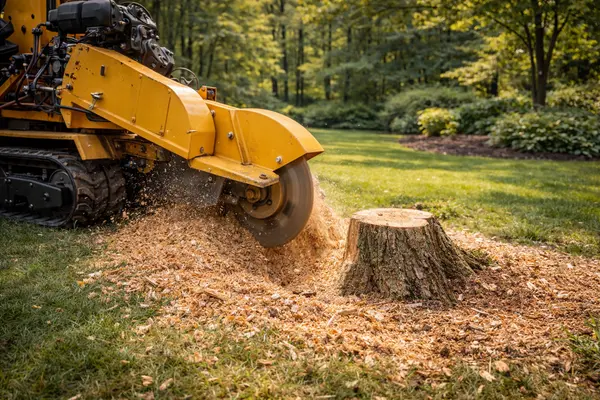
Before hiring anyone in San Antonio, TX, ask how they plan to remove the tree, where branches will be lowered, and what happens if the trunk is close to a service line or roof edge. Ask for proof of insurance and clarify who contacts the utility company if electrical lines are involved. A contractor should explain the equipment needed, such as ropes, a bucket truck, crane, chainsaw, or stump grinder, before work begins. Learn more about our expert Tree Fertilization services.
A written estimate should identify the tree or limbs being removed, debris handling, wood disposal, stump work, access limits, and any protection planned for fences, sprinkler heads, or pavers. It should also distinguish emergency removal from follow-up care such as Tree Fertilization, which may help a healthy tree but cannot stabilize a cracked trunk or decayed root system. Clear scope language prevents surprises once cutting starts.


Take photos from a safe distance and note what changed: a new lean, lifted soil near the roots, broken limbs, cracked bark, or fungus around the trunk. Gather any information about underground irrigation lines, septic components, gates, and recent storm damage. Move vehicles, patio furniture, grills, toys, and potted plants away from the drop zone if it is safe. Leave a clear path to the driveway, side gate, and affected tree.
Keep people, pets, and ladders away from the tree, especially after wind or heavy rain. Do not pull on a hanging limb, cut a branch from below, or park beneath a leaning trunk; vibration and uneven weight can trigger a failure. If a limb touches a power line, stay back, keep others away, and contact the utility provider or emergency services. Avoid covering damaged roots with soil or mulch, because that hides movement the crew needs to assess.
TREE TRIMMING SAN ANTONIO
4511 Horizon Hill Blvd, San Antonio, TX 78229
(726) 227-4061
Hours of Operation
Open 24 Hours